Our eyes play a vital role in our daily lives, yet they are often taken for granted until problems arise. With increasing screen time, environmental pollution, and age-related changes, adults are more prone to eye strain, vision loss, and chronic eye conditions than ever before. Proper eye care is not only about correcting vision but also about preserving long-term eye health.
By adopting simple habits and staying proactive, adults can protect their eyesight and reduce the risk of serious complications. Below are five essential eye health care tips every adult should follow.
1. Schedule Regular Eye Tests for Early Detection
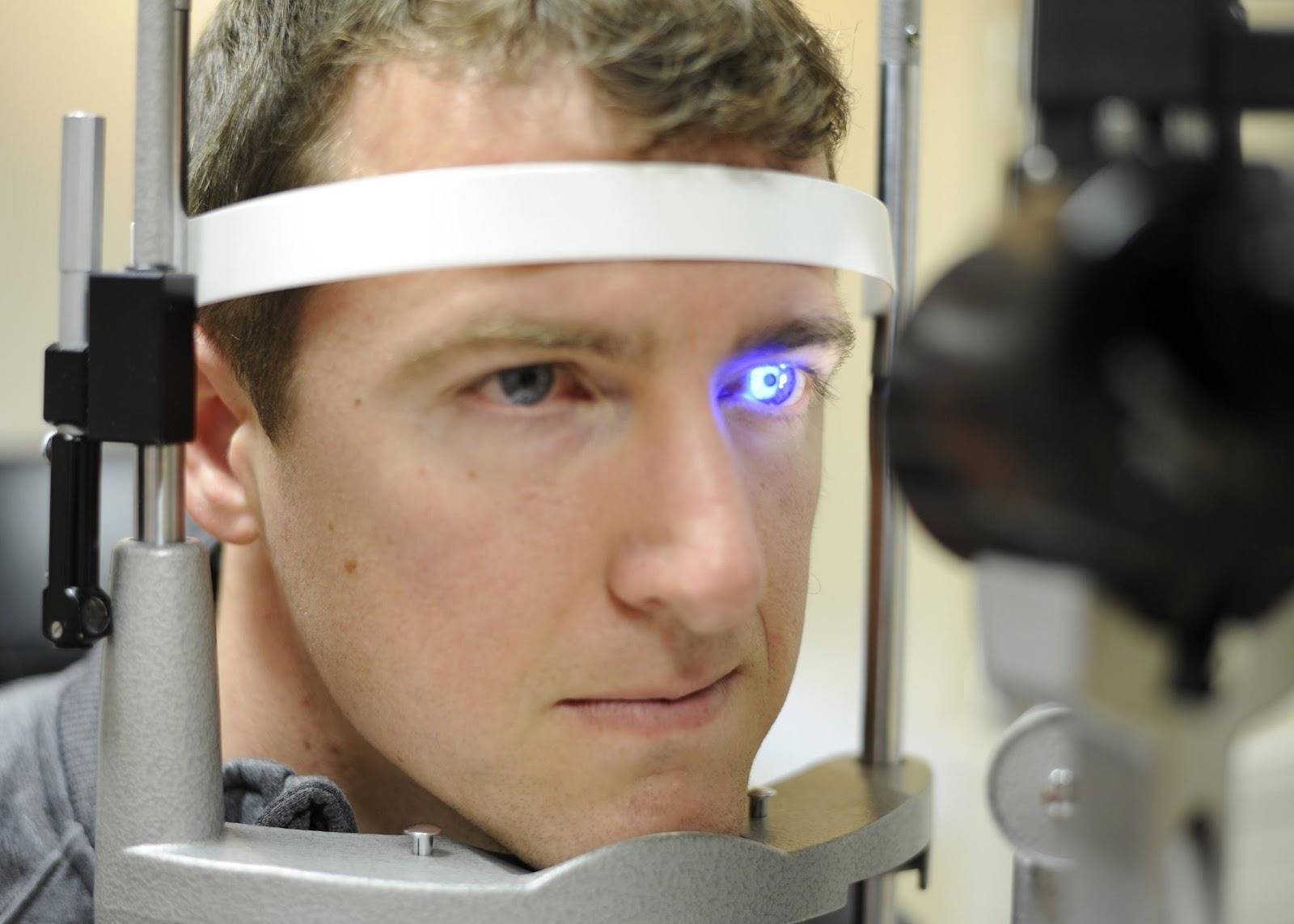
A routine eye test is one of the most important steps in maintaining healthy vision. Many eye conditions such as glaucoma, macular degeneration, and diabetic retinopathy develop gradually and show no early symptoms. Regular eye tests help detect these issues before they cause permanent damage.
Eye examinations also assess overall eye health, not just visual clarity. Adults should get a sight test at least once every one to two years, even if they feel their vision is fine, as early diagnosis can prevent long-term vision loss.
2. Protect Your Eyes from Digital Screen Strain
Prolonged exposure to digital screens is a major cause of eye fatigue, dryness, and headaches. Adults who work on computers or frequently use smartphones should follow the 20-20-20 rule: every 20 minutes, look at something 20 feet away for at least 20 seconds.
Adjusting screen brightness, increasing text size, and maintaining proper screen distance can also reduce strain. Using blue light filters or protective eyewear helps minimise discomfort and protects eyes from prolonged exposure to harmful light.
3. Maintain a Nutrient-Rich Diet for Eye Health
Nutrition plays a crucial role in maintaining healthy eyesight. A diet rich in vitamins A, C, and E, along with zinc and omega-3 fatty acids, supports eye function and reduces the risk of age-related vision problems.
Foods such as leafy greens, carrots, citrus fruits, eggs, and fish help nourish the eyes. Staying hydrated is equally important, as dehydration can lead to dry eyes and irritation.
4. Wear Protective Eyewear When Necessary
Protecting your eyes from physical and environmental hazards is essential. Sunglasses with UV protection shield eyes from harmful ultraviolet rays, reducing the risk of cataracts and retinal damage. Protective eyewear should also be worn during activities such as sports, home repairs, or working with chemicals.
Many adults underestimate the risk of eye injuries, but proper protection can prevent serious accidents and long-term damage. Choosing the right eyewear for different activities is a simple yet effective preventive measure.
5. Manage Overall Health to Support Vision
General health conditions such as diabetes, high blood pressure, and obesity can significantly impact eye health. Poorly managed health issues may lead to vision complications and permanent damage. Regular physical activity, stress management, and routine medical check-ups help maintain good circulation and eye function.
Quitting smoking is especially important, as smoking increases the risk of cataracts and optic nerve damage. A healthy lifestyle directly contributes to stronger and more resilient eyesight.
Conclusion
Taking care of your eyes should be a lifelong priority. By scheduling regular eye tests, reducing screen strain, maintaining a healthy diet, wearing protective eyewear, and managing overall health, adults can preserve their vision and prevent serious eye conditions.