Occasional unsteadiness can happen, but frequent balance problems deserve closer attention. Feeling as though the room is moving, drifting while walking, becoming lightheaded, or repeatedly needing support can have different causes. Reducing immediate fall hazards is sensible, yet recurring balance changes also warrant evaluation because safety measures alone cannot identify why the problem is happening.
Describe the Balance Problem Clearly
“Poor balance” can mean several different experiences. Some people feel spinning or motion, while others feel faint, unstable on their feet, or unable to walk in a straight line.
Timing matters too. Problems that occur after standing, while turning the head, during walking, or after taking a medicine may provide different clues for a clinician.
Keep a Simple Pattern Record
Write down what the sensation feels like, what you were doing, how long it lasted, and whether nausea, hearing changes, headache, weakness, or visual symptoms occurred.
A short record can be more informative than trying to remember several episodes during an appointment.
Reduce Immediate Hazards at Home
Until recurrent balance problems are understood, make heavily used spaces easier to move through. Keep floors clear, improve lighting, secure unstable rugs, and make sure stairs and bathrooms have reliable support where appropriate.
People encountering online wellness material may collect many home-safety suggestions, but the most useful changes are those aimed at hazards actually present in the home.
Avoid relying on furniture that can slide or tip when grabbed suddenly.
Look Beyond the Floor and Furniture
Footwear, vision, hearing, medications, hydration, and physical conditioning may all influence how secure a person feels while moving. Balance itself depends on information from several body systems working together.
General balance information can provide background reading, but repeated symptoms should be described to a qualified professional rather than interpreted from one online explanation.
| Experience | Possible Description | Worth Noting |
|---|---|---|
| Spinning | Room seems to move | Head-position trigger |
| Lightheadedness | Feeling faint | Standing or exertion |
| Unsteadiness | Trouble walking straight | Surface and lighting |
| Sudden loss of balance | Abrupt instability | Other new symptoms |
These distinctions do not diagnose the cause, but they can make a medical history more precise.
Understand Why Evaluation Matters
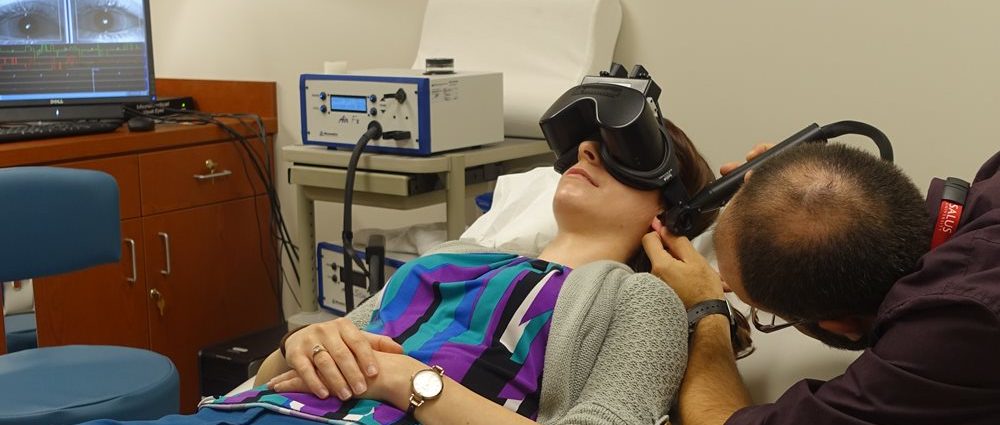
Balance difficulties may involve the inner ear, vision, circulation, medicines, neurological systems, or other health factors. MedlinePlus notes that balance problems can have multiple causes and that evaluation may involve hearing tests, blood tests, imaging, or tests of eye and body responses depending on the situation.
General wellness reference pages should therefore remain background material rather than a substitute for assessment when episodes are frequent.
Why One Symptom Isn’t Enough
A common mistake is using one sensation to self-diagnose a specific disorder. Dizziness, unsteadiness, and lightheadedness overlap across many conditions, and people often use those words differently.
Another mistake is compensating by becoming almost completely inactive. Avoiding every movement may reduce confidence and conditioning without resolving the cause. Safety adaptations are useful, but persistent problems still need appropriate evaluation and a plan based on what is actually producing the symptoms.
Signs That Shouldn’t Wait
Seek prompt medical care if balance problems are becoming frequent, causing falls, or occurring with new hearing, vision, neurological, or cardiovascular symptoms. The MedlinePlus balance-problems guide advises medical evaluation because balance disturbances can sometimes reflect other health problems.
Emergency evaluation may be appropriate for sudden imbalance accompanied by facial drooping, one-sided weakness, trouble speaking, severe new headache, fainting, chest pain, or inability to walk safely.
Frequently Asked Questions
Can medications cause balance problems?
Some medicines can contribute to dizziness, sleepiness, or other effects that interfere with stability. Do not stop prescribed medicine on your own; ask a doctor or pharmacist to review possible medication-related concerns.
Can poor eyesight affect balance?
Yes. Vision helps the brain judge position, obstacles, distance, and movement. Outdated prescriptions, poor lighting, or certain eye problems may make safe movement more difficult.
Should frequent dizziness be considered a balance problem?
Dizziness and balance problems often overlap, but dizziness can describe several sensations. Frequent or unexplained episodes deserve evaluation, especially when they affect walking, cause falls, or occur with other new symptoms.
Find the Cause, Not Only a Workaround
Clearing hazards and moving carefully can reduce immediate risk, but repeated balance problems should not be managed through caution alone. Record the pattern, make the environment safer, and discuss persistent symptoms with a health professional. Understanding what is driving the instability makes it easier to choose safer and more useful next steps.
This article is for general informational purposes and is not a substitute for professional medical advice, diagnosis, or treatment.