A loose waist does not always mean a dress is the wrong size. The garment may fit correctly through the shoulders, bust, or hips while offering more room than you want through the middle. Instead of sizing down and creating new fit problems, simple shaping adjustments can define the waist while preserving comfortable proportions elsewhere.
Identify Where the Extra Fabric Sits
Put the dress on and smooth the fabric naturally rather than pulling it tightly. Notice whether the looseness is concentrated at the side seams, center back, or all the way around the waist.
Construction matters because darts, seams, lining, and fabric weight determine which adjustments are realistic. General clothing construction resources may help you understand why two visually similar dresses respond differently to alterations.
Check the Bust and Hips Before Taking In the Waist
Pinching excess fabric at the waist can make a dress look better temporarily, but check what happens above and below that point.
If the bust starts pulling or the skirt loses its natural fall, too much fabric has been removed. Waist definition should not create tension elsewhere.
Use Belts and Ties for Flexible Shaping
A belt is the simplest reversible solution. Thin belts create subtle definition, while wider belts can visually reshape a straighter dress.
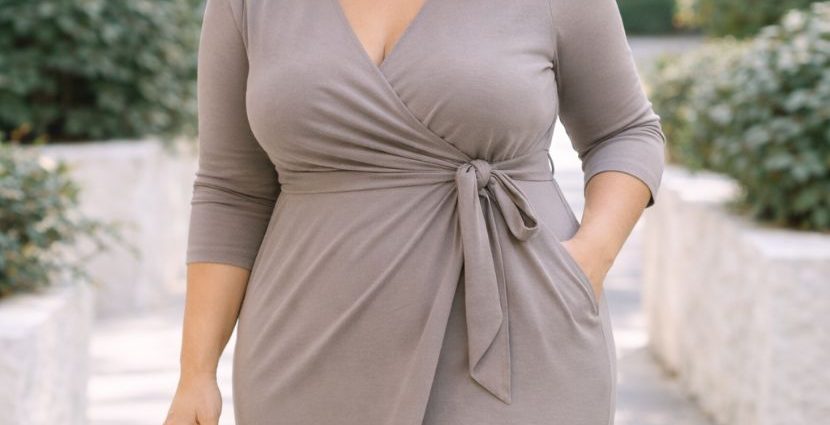
Built-in ties can work even better because they distribute gathering around the garment. Looking at dress shaping references may provide ideas for how waist seams, darts, and ties change silhouette without requiring an entirely different dress size.
| Adjustment | Best For | Main Limitation |
|---|---|---|
| Belt | Quick waist definition | Can shift during wear |
| Back tie | Soft adjustable shaping | Depends on dress style |
| Side seams | Permanent reduction | Needs careful fitting |
| Darts | Targeted shaping | Not suitable everywhere |
Consider Small Tailoring Changes
If you want a permanent result, a tailor may take in the side seams or add darts. The best method depends on where the excess fabric sits and whether the dress is lined.
Gathering or elastic can also work in casual garments. Outfit styling ideas may help you visualize the finished look once the shape is adjusted, especially when choosing belts, jackets, or other pieces that influence the waistline.
Pin the Dress Before Committing
Use safety pins or sewing clips on the inside to simulate an alteration. Move, sit, and raise your arms before deciding how much fabric should be removed.
This simple test can reveal whether the proposed change improves the shape or merely makes the dress tighter.
Where Waist Shaping Goes Wrong
The most common mistake is removing too much fabric. A sharply fitted waist may look appealing while standing still but become uncomfortable when sitting or breathing deeply.
Another mistake is ignoring the dress’s intended silhouette. Shift dresses, oversized shirt dresses, and certain relaxed styles are designed to fall loosely. Forcing them into an hourglass shape can distort pockets, buttons, side seams, or the skirt.
Sometimes the better solution is styling rather than alteration.
Frequently Asked Questions
Can a dress be taken in only at the waist?
Often, yes. Side seams or darts can reduce waist volume while preserving more room through the bust and hips, depending on the garment’s construction.
How can I make a loose dress look fitted without sewing?
Try a belt, sash, adjustable tie, cropped jacket, or strategic layering. These options add definition without permanently changing the garment.
Is sizing down better than altering a loose waist?
Not necessarily. A smaller size may become too tight through the shoulders, bust, or hips. Choose the size that fits the hardest-to-alter areas first.
Shape the Dress Without Fighting Its Design
Start by protecting the areas that already fit well. Then introduce waist definition with a belt, tie, darts, or modest seam adjustments. The strongest result usually comes from removing only the excess fabric that disrupts the silhouette rather than trying to make the entire dress dramatically tighter.