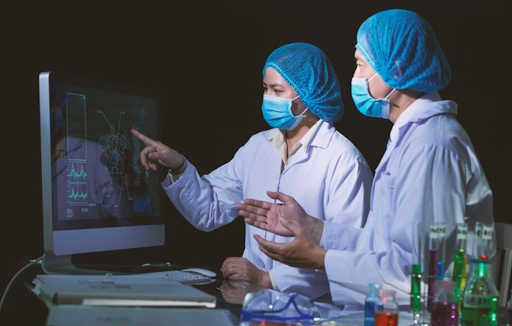
Clinical research plays an important role in improving healthcare and developing new medical treatments. It helps researchers understand diseases, evaluate therapies, and discover better ways to care for patients. Accurate medical information is essential throughout this process. A medical imaging core lab supports clinical research by providing professional imaging services, standardized procedures, and detailed image analysis. Its work helps researchers collect consistent data and make well-informed decisions about medical treatments and patient outcomes.
Ensuring Consistent Imaging Procedures
Consistency is important when collecting medical images for clinical studies. A medical imaging core lab follows standardized imaging procedures to ensure that images are collected in a similar way across different research sites. These procedures help maintain uniformity in image quality, scanning methods, and data collection. When researchers use consistent imaging methods, they can compare results more effectively and understand changes throughout a clinical trial.
Improving the Quality of Research Data
High-quality data is essential for reliable clinical research. A medical imaging core lab uses specialized technology and experienced professionals to review, process, and analyze medical images. These images may include MRI scans, CT scans, ultrasound images, and other diagnostic studies. Careful image analysis helps researchers identify important details and measure changes over time. This information supports accurate research findings and provides a clearer understanding of treatment effectiveness.
Supporting Clinical Trial Evaluation
Clinical trials often require detailed information about how patients respond to different treatments. A medical imaging core lab provides imaging assessments that help researchers monitor changes in the body during a study. For example, imaging can help measure tumor size, evaluate organ function, or observe changes in specific tissues. These assessments give research teams valuable information about treatment responses and help them evaluate study outcomes using objective measurements.
Providing Expert Image Analysis
Medical image analysis requires technical knowledge and careful attention to detail. A medical imaging core lab employs trained imaging specialists, radiologists, and other qualified professionals who understand research requirements. They follow established guidelines when reviewing and interpreting images. Their expertise helps ensure that imaging assessments are consistent and suitable for the goals of a clinical study. Professional analysis also helps research teams understand complex imaging information more clearly.
Strengthening Collaboration Across Research Teams
Clinical research often involves hospitals, universities, research organizations, and pharmaceutical companies. A medical imaging core lab supports communication between these groups by providing organized imaging data and standardized reports. It helps research teams work with consistent information, even when studies involve participants from different locations. This coordinated approach supports smoother research operations and helps teams focus on their scientific objectives.
Conclusion
A medical imaging core lab is an important part of modern clinical research. Through standardized imaging procedures, professional image analysis, advanced technology, and organized data management, it helps researchers obtain accurate and reliable information. Its services support clinical trial evaluation and strengthen collaboration among research teams. By providing consistent imaging assessments, a medical imaging core lab contributes to better research practices and the continued development of medical knowledge and healthcare solutions.