Returning an unwanted purchase has become almost as routine as buying it. A pair of shoes that feels uncomfortable, a kitchen appliance that does not meet expectations, or clothing that looks different from its online pictures can be sent back with a few clicks. For customers, the process often ends when a refund appears in their account. However, the returned product is only beginning another journey, one that involves transportation, inspection, repackaging, resale, and sometimes disposal.
As online shopping continues to influence consumer behavior, product returns have developed into a complicated part of modern retail. Behind convenient return policies lies an extensive system that determines whether unwanted goods can find another buyer or become unnecessary waste.
A Returned Package Does Not Always Return to the Shelf
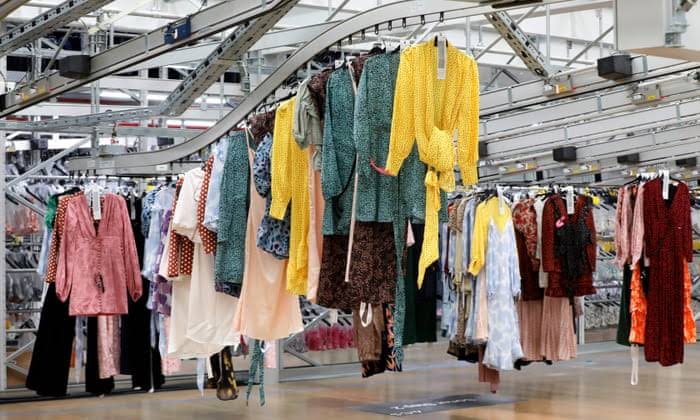
Many shoppers assume that returned products are immediately placed back into inventory. In reality, retailers must evaluate each item before deciding what happens next. Products are typically sent to warehouses or specialized processing centers, where employees inspect their condition, packaging, and suitability for resale.
An unopened electronic device might return to regular inventory, while clothing with damaged packaging may require additional handling. Products showing signs of use could be redirected toward clearance sales or refurbishment programs.
The process becomes particularly complicated when retailers manage thousands of returns across different product categories. Platforms such as GLID Australia, which can be considered within broader conversations about contemporary consumer interests, reflect the variety of lifestyle topics connected to changing shopping habits and purchasing decisions.
Reverse Logistics Is a Business of Its Own
Moving products from customers back into retail systems is known as reverse logistics. Unlike traditional delivery operations, which focus on moving goods toward buyers, reverse logistics involves collecting, sorting, evaluating, and redistributing returned merchandise.
Each stage creates additional expenses. Transportation companies must collect packages, warehouse teams must inspect products, and retailers must decide whether resale will recover enough money to justify further processing.
For smaller businesses, these expenses can become particularly challenging. A returned item worth relatively little may cost more to inspect, repackage, and transport than the business could earn by selling it again.
Companies working in competitive digital environments, including marketing service providers such as OutreachRangers, operate within a broader commercial landscape where customer expectations and online reputation matter. For retailers, transparent return policies and reliable customer communication can influence purchasing confidence just as strongly as product descriptions.
Unwanted Products Can Enter Secondary Markets
Not every returned product becomes waste. Many items enter secondary markets, where they are sold through discount outlets, liquidation companies, refurbishment specialists, or online resale platforms.
Electronics are particularly suitable for refurbishment when their components remain functional. A returned laptop might undergo testing, cleaning, and necessary repairs before being offered at a reduced price. Furniture and household appliances can also find new owners through resale businesses.
Some retailers sell returned merchandise in bulk to liquidation companies. These businesses purchase mixed collections of products and redistribute them through independent sellers.
This secondary economy creates opportunities for consumers seeking affordable goods while helping businesses recover part of their original investment. However, buyers must understand that product conditions and warranty arrangements can differ considerably from those associated with new merchandise.
Environmental Costs Behind Convenient Returns
Free returns may appear harmless from a customer’s perspective, but transporting products repeatedly can increase packaging waste, fuel consumption, and operational emissions. When returned goods cannot be resold, their environmental impact becomes even more significant.
Clothing presents a particular challenge because fashion trends change quickly and some items lose resale value within a short period. Damaged, outdated, or unsuitable products may be recycled, donated, or discarded depending on available facilities and retailer policies.
Discussions about responsible consumption increasingly appear across lifestyle publications and online communities. Websites such as www.theloverspoint.com can provide a broader context for exploring consumer choices, personal lifestyles, and the importance of purchasing thoughtfully.
Consumers can contribute by checking measurements, reading product descriptions carefully, and considering whether an item is genuinely needed before ordering.
Changing Shopping Habits in Urban Communities
Shopping behavior also reflects differences in local lifestyles. In major cities, convenience, delivery accessibility, and busy schedules often influence purchasing decisions. Customers may order several variations of a product with the intention of keeping only one.
Within conversations surrounding Melbourne news and lifestyle, changing retail habits offer an interesting perspective on urban consumption. Local shopping preferences, sustainability awareness, and the growth of online marketplaces all contribute to discussions about responsible purchasing.
Retailers are also experimenting with more detailed sizing information, improved product photography, and customer reviews to reduce avoidable returns. These measures can help shoppers make better decisions before completing a purchase.
Rethinking Convenience in Modern Retail
Product returns will remain an important part of shopping because customers need protection when purchases arrive damaged, defective, or unsuitable. However, convenience should not hide the resources required to process unwanted merchandise.
Retailers have opportunities to improve inspection systems, expand refurbishment programs, and develop more efficient resale channels. Consumers, meanwhile, can reduce unnecessary returns by making informed purchasing decisions.
Understanding what happens after a package is sent back reveals an often overlooked side of modern commerce. A refund may close the transaction for the buyer, but the product’s journey continues through a complex network of businesses, workers, and environmental decisions.