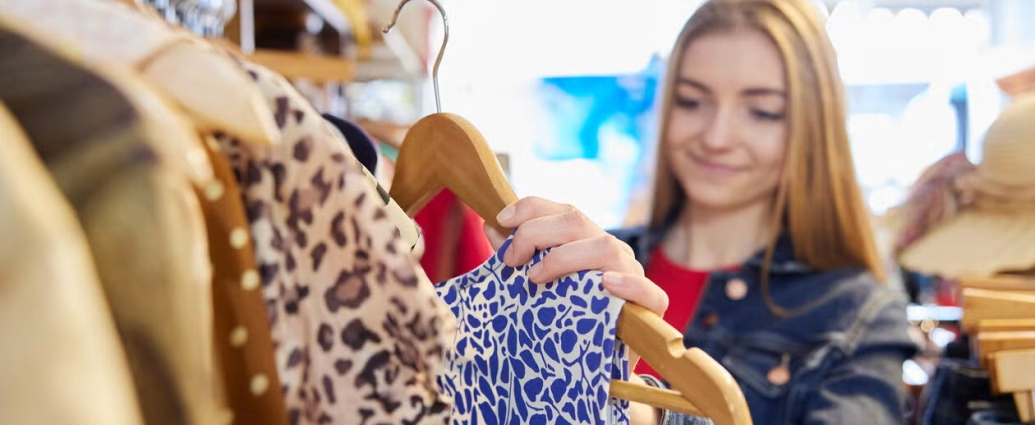
Secondhand shopping was once closely associated with vintage clothing, thrift stores, and affordable fashion. Today, its appeal extends far beyond wardrobes. People are increasingly exploring previously owned furniture, kitchen appliances, electronics, books, home accessories, and even gardening equipment. This changing approach to consumption reflects growing interest in affordability, sustainability, and making better use of products that still have practical value.
Rather than viewing secondhand purchases as a compromise, many consumers now consider them a sensible alternative to buying everything new. As household expenses continue to influence purchasing decisions, the secondhand market offers opportunities to find useful products without paying full retail prices.
Household Essentials Find a Second Life
Furniture and household equipment have become important categories in secondhand shopping. Dining tables, bookshelves, office chairs, storage cabinets, and kitchen accessories frequently remain functional long after their original owners no longer need them. Purchasing these items secondhand allows buyers to furnish their homes while keeping unnecessary expenses under control.
Online marketplaces and community selling groups have made finding such products considerably easier. Buyers can compare available items, examine photographs, communicate with sellers, and arrange collections without visiting multiple stores.
Lifestyle platforms such as vizz.com.au also fit into a broader digital environment where readers explore changing consumer habits, household ideas, and practical approaches to modern living. Greater access to information encourages people to consider alternatives before making purchases.
Electronics and Appliances Enter the Secondhand Market
Previously owned electronics are another area attracting consumer attention. Smartphones, tablets, computer monitors, speakers, and small household appliances can often be purchased at prices below those of new products. Refurbished electronics are particularly appealing because some undergo testing, repairs, or component replacement before being offered for resale.
However, buying used electronics requires careful evaluation. Consumers should examine battery performance, product condition, warranty availability, and compatibility with current technology. Checking whether a device receives security updates is especially important when purchasing smartphones or computers.
Kitchen appliances also deserve attention. Coffee machines, blenders, microwaves, and other equipment may provide years of additional service when properly maintained. Testing electrical products and checking for safety recalls can help buyers avoid unnecessary risks.
Transportation Choices Influence Secondhand Shopping
Access to affordable transportation can influence where people shop and what they purchase. In larger cities, secondhand stores, weekend markets, and community resale events may be scattered across different neighborhoods. Buyers often plan their visits around convenience, travel expenses, and the size of items they intend to collect.
For smaller purchases, public transit can make visiting thrift stores and community markets more economical. Shoppers can explore several locations without depending entirely on private vehicles. Larger furniture purchases, however, may require delivery arrangements or vehicle rentals.
These practical considerations demonstrate that secondhand shopping involves more than finding attractive prices. Transportation, accessibility, and collection arrangements can determine whether a purchase represents genuine savings.
Local Communities Support Changing Shopping Habits
Neighborhood markets and community exchange groups contribute significantly to the popularity of secondhand goods. They create opportunities for residents to sell unwanted belongings while helping others access useful household products at affordable prices.
A Melbourne online magazine covering local lifestyle developments might explore how community markets, garage sales, and neighborhood exchange initiatives encourage residents to reconsider their purchasing habits. Such activities can also strengthen local connections by creating opportunities for people to interact outside conventional retail environments.
Community exchanges are particularly useful for children’s equipment, books, sporting accessories, and seasonal decorations. Many of these products are needed for relatively short periods, making secondhand purchasing a practical choice.
Changing Attitudes Toward Ownership and Value
Consumer attitudes are gradually shifting from focusing exclusively on newness toward considering usefulness, durability, and long term value. A well maintained wooden table or refurbished laptop may satisfy everyday requirements without needing to be purchased new.
Lifestyle discussions associated with names such as The Lovers Point can also connect with broader ideas about thoughtful consumption, personal preferences, and creating comfortable surroundings. People increasingly recognize that meaningful possessions do not necessarily need to come directly from retail stores.
Secondhand shopping also encourages consumers to examine product quality more carefully. Instead of choosing items based entirely on appearance or current trends, buyers may prioritize construction, repairability, and practical functionality.
A More Practical Approach to Everyday Consumption
Secondhand shopping is becoming a broader household purchasing strategy rather than an activity limited to fashion enthusiasts. From furniture and electronics to books and kitchen equipment, previously owned products offer alternatives for people seeking affordability and reduced waste.
Successful secondhand purchasing still requires patience, careful inspection, and realistic expectations. Not every used product represents good value, particularly when repairs, transportation, or replacement parts increase the final cost.
As resale platforms and community exchanges become more familiar, consumers have greater opportunities to make purchasing decisions based on actual needs. This expanding interest in secondhand essentials suggests that extending the useful life of everyday products can become a normal part of responsible household spending.