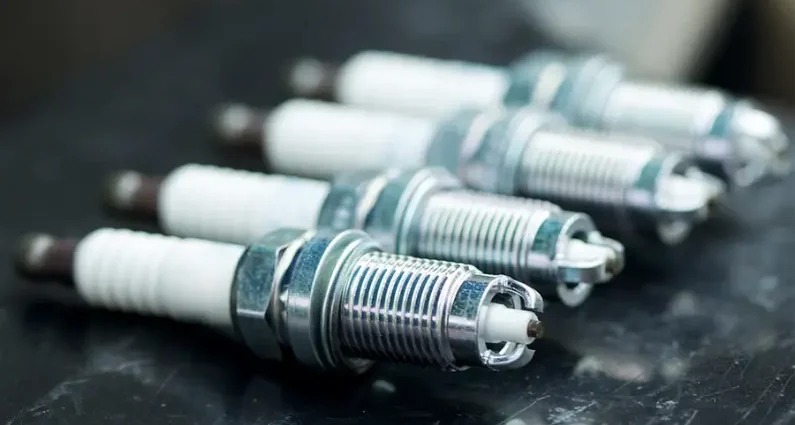
Spark plugs create the electrical spark that ignites the air-fuel mixture inside gasoline engine cylinders. As their electrodes wear or deposits accumulate, ignition can become less dependable. Replacing worn spark plugs at the correct service interval can restore consistent combustion and prevent avoidable drivability problems.
Not every rough-running engine has bad plugs, however. Proper diagnosis matters before replacing parts.
How Spark Plug Wear Affects Combustion
Each spark plug operates in a harsh environment involving high temperatures, combustion pressure, fuel residue, and repeated electrical discharge. Gradual electrode erosion increases the challenge of producing a reliable spark.
People reviewing engine maintenance information should remember that plug design and replacement intervals differ widely among engines. Copper, platinum, iridium, and other designs aren’t interchangeable simply because their threads appear similar.
Small Ignition Problems Can Become Noticeable
A marginal spark may show up most clearly during acceleration, cold starting, or heavy engine load. Drivers may notice hesitation, uneven idle, reduced responsiveness, or an illuminated check-engine light.
Those symptoms are clues rather than proof because coils, injectors, air leaks, compression problems, and sensors can create similar behavior.
When Replacement Makes Sense
The most predictable time to replace spark plugs is when the manufacturer schedules the service. Waiting for severe misfires means the plugs may already be well beyond their intended service life.
Broader car performance resources can help owners understand maintenance concepts, but the vehicle’s service information should determine the correct plug type, torque procedure, and replacement interval.
| Plug Condition | Possible Result | Response |
|---|---|---|
| Normal electrode wear | Gradual spark-gap increase | Replace when scheduled |
| Heavy deposits | Unstable ignition | Investigate cause |
| Cracked insulator | Misfire risk | Replace plug |
| Incorrect plug type | Poor operation or damage risk | Install specified part |
Spark Plugs Can Reveal Other Problems
Removed plugs can sometimes provide clues about what has been happening inside a cylinder. Unusual deposits, wetness, excessive oil contamination, or severe overheating marks may point toward a problem that extends beyond ordinary plug wear.
Drivers comparing everyday motoring advice should avoid treating a fouled plug as the entire diagnosis. A replacement plug may foul again if the underlying cause remains.
Correct Installation Is Critical
Spark plugs thread directly into the cylinder head, so installation requires care. Cross-threading or excessive tightening can damage the threads, while insufficient tightening may prevent proper heat transfer or sealing.
Use the correct specification and follow the manufacturer’s torque guidance. Some applications also require access procedures that make professional service more practical.
Mistakes That Can Create New Problems
Changing only one worn spark plug can leave the remaining cylinders operating with plugs of significantly different age and condition. Unless troubleshooting a specific fault, scheduled replacement is generally performed as a set.
Another mistake is assuming a larger or smaller spark gap will automatically improve performance. The ignition system is designed around a specified gap and plug type.
Owners should also resist replacing plugs repeatedly when a misfire code returns. Persistent misfires need diagnosis because continued misfiring can affect drivability and may damage emissions-related components.
Frequently Asked Questions
Can worn spark plugs cause difficult starting?
They can contribute to difficult starting if the spark becomes weak or inconsistent. Starting problems can also involve the battery, starter, fuel system, sensors, compression, or ignition coils, so plugs are only one possible cause.
Do diesel engines use spark plugs?
Conventional diesel engines don’t use spark plugs for combustion ignition. They ignite fuel through compression. Many diesels use glow plugs to assist cold starting, but glow plugs perform a different function.
Should ignition coils be replaced with spark plugs?
Not automatically. Coils can often remain in service if they’re functioning correctly. Replacement may be appropriate when testing identifies a faulty coil or when vehicle-specific service guidance calls for additional ignition-system work.
Fix the Cause, Not Only the Symptom
Scheduled spark plug replacement is a practical way to maintain reliable ignition before noticeable problems develop. Use the specified plugs, install them correctly, and investigate abnormal deposits or repeated misfires instead of repeatedly replacing parts.
Smooth performance comes from the whole ignition and combustion system working together. Spark plugs are an important part of that system, but they shouldn’t become a substitute for proper diagnosis.