A vehicle that needs several attempts before starting is giving you an early warning worth investigating. Hard starting problems commonly involve the battery, starter circuit, fuel delivery, ignition system, or engine-management components. The most useful first step is identifying exactly what happens when the key is turned or the start button is pressed.
Start With the Way the Engine Cranks
The sound and speed of cranking immediately divide the problem into useful categories. Slow cranking points more strongly toward battery, cable, starter, or electrical issues, while normal cranking with no start shifts attention toward fuel, ignition, or engine-control problems.
A single click, repeated clicking, or complete silence creates a different diagnostic path. Describing these details accurately can save considerable troubleshooting time.
Cold Starts Provide Useful Clues
A battery may appear acceptable during mild weather yet struggle when temperatures drop because starting demands become harder. Corroded terminals can create similar symptoms by restricting current flow.
People browsing general car resources may encounter long lists of possible starting faults, but cranking behavior remains one of the fastest ways to narrow them down.
Test the Battery Before Blaming Other Components
Battery condition should be checked under load rather than judged only by whether the lights come on. Interior lights require far less current than the starter motor.
Inspect the terminals for looseness, corrosion, damaged cables, or poor ground connections. A battery can test weak even if dashboard electronics appear normal.
Broader automotive information resources may explain electrical systems in general terms, but an actual voltage and load test provides stronger evidence than assumptions based on battery age alone.
Fuel Delivery Matters After Normal Cranking
If the engine turns over at normal speed but takes too long to fire, fuel pressure or injector operation may deserve attention. A weak pump, restricted filter, leaking injector, or pressure-loss problem can delay starting.
Notice whether cycling the ignition before cranking changes the result. A vehicle that starts more easily after the fuel system has had time to build pressure may provide a useful diagnostic clue, though proper testing is still needed.
| Starting Behavior | Possible Area | First Check |
|---|---|---|
| Slow crank | Battery or cables | Load and connection test |
| Rapid clicking | Low voltage | Battery condition |
| Normal crank, no start | Fuel or ignition | Scan and system tests |
| Starts after several tries | Pressure or control issue | Fuel and sensor checks |
Ignition Problems Can Prevent Combustion
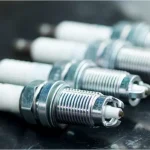
Gasoline engines need a correctly timed spark strong enough to ignite the air-fuel mixture. Failed coils, worn plugs, damaged wiring, or certain position-sensor problems can prevent reliable starting.
Useful vehicle-care reading can help owners become familiar with maintenance terminology, but testing for spark and fault codes is safer than replacing several ignition components at random.
Some intermittent crankshaft or camshaft position-sensor faults are especially confusing because the engine may start normally at one moment and refuse to start later.
Common Starting-System Assumptions That Waste Money
A hard-starting car does not automatically need a new battery. If the engine cranks strongly, replacing the battery may leave the original problem untouched.
The opposite mistake happens too. Drivers sometimes assume that because the starter turns, the battery and electrical connections must be perfect. Low system voltage, excessive resistance, poor grounds, and borderline components can still interfere with starting. Test each part of the starting sequence rather than guessing.
Frequently Asked Questions
Why does my car take longer to start in the morning?
Cold temperatures, weak battery performance, fuel-pressure loss, ignition weakness, or temperature-related sensor faults can make the first start of the day more difficult.
Can a weak battery crank but still cause hard starting?
Yes. A marginal battery may still turn the engine while allowing voltage to fall enough to affect ignition or electronic systems during cranking.
Why does my car start on the second attempt?
Fuel pressure bleeding down, intermittent electrical faults, sensor issues, or ignition problems can create this pattern. Testing is needed to identify the actual cause.
Test the Starting Sequence in Order
Begin with what you can observe: cranking speed, sounds, warning lights, temperature, and whether the problem changes between attempts. Test battery condition and connections before moving into fuel and ignition diagnosis. A logical sequence prevents unnecessary parts replacement and usually makes an intermittent starting complaint much easier to isolate.
═══