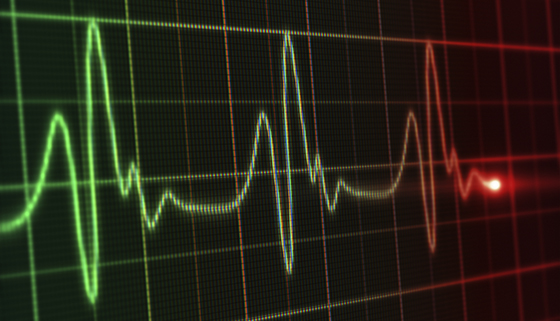
Frequent heart palpitations can feel like fluttering, pounding, skipping, racing, or an unusually noticeable heartbeat. Many possible triggers are harmless, but repeated palpitations deserve attention because the sensation alone cannot reveal the cause. Recording when they occur and what accompanies them can make a medical visit more productive.
What Can Palpitations Actually Feel Like?
Some people notice a brief skipped-beat sensation. Others describe several seconds or minutes of rapid or forceful beating. Palpitations may be felt in the chest, throat, or neck and can occur during activity or while resting.
The National Heart, Lung, and Blood Institute explains that abnormal heart rhythms can take several forms. Not every palpitation is an arrhythmia, so evaluation depends on the pattern and surrounding circumstances.
| Pattern | Useful Detail to Record | Why It Helps |
|---|---|---|
| Brief fluttering | Duration and activity | Shows timing pattern |
| Racing heartbeat | Sudden or gradual start | Helps describe episodes |
| Skipped sensation | Frequency | Shows recurrence |
| Palpitations with symptoms | Dizziness, pain, breathlessness | May affect urgency |
Track What Happens Around Each Episode
Write down the approximate time, duration, activity, recent caffeine intake, alcohol use, sleep quality, stress, hydration, medications, and accompanying symptoms. The goal is not to diagnose the cause yourself. It is to provide a clearer history.
People reviewing general wellness material may come across long lists of possible triggers. Such lists can be useful for observation, but they cannot determine whether a particular episode came from stress, stimulants, medication effects, thyroid problems, anemia, or an abnormal rhythm.
A brief symptom diary may also reveal whether episodes happen mainly after certain drinks, during anxiety, after exertion, or without an obvious trigger.
Medical Evaluation Can Look Beyond the Sensation
A healthcare professional may ask about family history, medications, stimulant use, other health conditions, and whether palpitations occur with exercise or fainting. Depending on the situation, evaluation may include an electrocardiogram or longer rhythm monitoring.
General self-care information can help people prepare questions for appointments, but rhythm problems cannot be confirmed from symptoms alone.
Episodes that happen unpredictably can be difficult to capture during a short office visit. That is why accurate notes about timing and associated symptoms can be useful.
Look at Everyday Triggers Without Assuming the Cause
Caffeine, nicotine, alcohol, stress, poor sleep, dehydration, and some medicines or supplements may contribute to palpitations in some people. Reducing an obvious trigger may help, but persistent episodes still deserve assessment.
Readers exploring broader health resources should be careful with explanations that assign every palpitation to anxiety. Anxiety can make the heartbeat more noticeable, yet similar sensations may also have physical causes.
Why Self-Diagnosis Can Be Misleading
A palpitation is a sensation, not a diagnosis. Two people can describe similar fluttering while having completely different underlying causes.
Checking a smartwatch or pulse can provide information, but consumer devices do not replace clinical interpretation. Another common mistake is assuming that short episodes are automatically harmless. Duration matters, but accompanying symptoms, medical history, exertional pattern, and rhythm characteristics also shape the level of concern.
Signs That Shouldn’t Wait
Seek urgent medical attention when palpitations occur with chest pain, severe shortness of breath, fainting, near-fainting, sudden severe weakness, or other alarming symptoms.
Prompt evaluation is also sensible when episodes are new, becoming frequent, lasting longer, occurring during exertion, or appearing in someone with known heart disease. Do not wait for another online explanation if severe symptoms are happening now.
Frequently Asked Questions
Can caffeine cause heart palpitations?
Caffeine can trigger palpitations in some people, while others tolerate it without noticeable effects. Recording caffeine intake and episode timing may help identify a possible pattern worth discussing with a clinician.
Can anxiety and palpitations feel identical?
Anxiety can cause a racing or forceful heartbeat, but palpitations from other causes may feel similar. Symptoms alone cannot reliably distinguish anxiety from an abnormal rhythm or another medical issue.
What should I write in a palpitation diary?
Record the time, duration, activity, pulse if easily available, recent drinks or medications, stress level, and symptoms such as dizziness, chest discomfort, or breathlessness. Keep the notes concise enough to use consistently.
Bring Better Information to the Appointment
Frequent heart palpitations become easier to evaluate when the pattern is documented rather than reconstructed from memory. Track episodes, note associated symptoms, and avoid deciding on the cause from one trigger or device reading.
If episodes persist, worsen, or appear with concerning symptoms, arrange appropriate medical evaluation.
This article is for general informational purposes and is not a substitute for professional medical advice, diagnosis, or treatment.