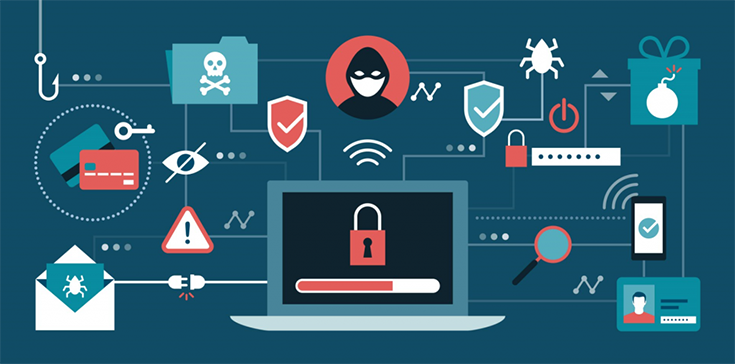
Malware infection risks often begin with an ordinary action: downloading a free program, opening an unexpected attachment, installing a browser extension, or accepting a fake update. Malicious software can steal information, display unwanted advertising, damage files, or give attackers remote access.
Safer downloading habits reduce the chance that untrusted software reaches your device in the first place.
Know Where the Download Is Coming From
Download files from the official developer, operating-system app store, or another source you deliberately trust. Search results can sometimes lead to advertisements or imitation websites that look similar to genuine download pages.
General technology information channels can help people discover software topics, but discovery and verification are different tasks. Before installing anything, confirm the publisher and official source independently.
Free Copies of Paid Software Carry Extra Risk
Cracked programs, unauthorized activation tools, and modified installers are common malware delivery methods. A download may appear to work while quietly installing credential stealers, cryptominers, or remote-access software.
The cost of recovering accounts or reinstalling a computer can easily outweigh the price of legitimate software.
Pay Attention to What the Installer Wants
Read installation screens rather than clicking through them automatically. Unexpected requests to disable antivirus protection, run unusual scripts, change browser settings, or grant administrator access deserve scrutiny.
People managing downloads through digital data environments should keep the same principle in mind: permissions should match what the software genuinely needs.
| Download Situation | Possible Risk | Safer Choice |
|---|---|---|
| Unknown installer | Hidden malware | Find the official source |
| Fake software update | Malicious download | Update inside the application |
| Unwanted browser extension | Data collection | Review publisher and permissions |
| Pirated software | Modified executable | Use legitimate software |
Keep Protective Tools Working
Operating-system updates, browser updates, and security software can close known vulnerabilities and identify many malicious files. Delaying updates for long periods may leave a device exposed to weaknesses that have already been fixed.
Guides covering computer protection concepts may discuss different security layers, but those layers work best when they remain enabled and current. Avoid disabling security warnings simply because an installer tells you to do so.
Backups provide another useful layer. Keep important files in a protected location that isn’t permanently exposed to every device on your network.
Where “I Didn’t Download Anything” Goes Wrong
People often think malware requires intentionally downloading a suspicious program. In reality, malicious files can arrive through email attachments, browser extensions, fake updates, document macros, messaging apps, and bundled installers.
Another misconception is that a computer must become obviously slow or unstable after infection. Some malware is designed to remain quiet while stealing browser sessions, passwords, or other information. Lack of obvious symptoms doesn’t prove a device is clean.
Frequently Asked Questions
Can a PDF file contain malware?
PDF files can sometimes be used in attacks, particularly when they exploit software vulnerabilities or contain malicious links. Keep your PDF reader updated and avoid opening unexpected files from unknown senders.
Does antivirus software stop every malware infection?
No security product catches every threat. Antivirus software adds useful protection, but safer downloads, regular updates, cautious permissions, and account security remain important.
Should I delete a suspicious download without opening it?
Yes. If you weren’t expecting the file or can’t verify its source, deleting it is safer than opening it merely to see what it contains.
Make Downloads Earn Your Trust
Treat software installation as a security decision rather than a routine click-through process. Verify the source, question unusual permissions, keep protection enabled, and avoid modified or pirated programs.
Most malware prevention doesn’t require advanced technical skill. It requires refusing to give unknown files automatic trust.